

How Often Should the Air Filter Be Replaced?
Air Filter Replacement Schedule: Signs and Timing
 Air filters or indoor air filters do not always need to be replaced according to a fixed calendar schedule. A more accurate indicator is pressure drop, also known as differential pressure (ΔP).
As a general guide, air filters are replaced at the following intervals:
|
Filter type |
Replacement interval* |
|---|---|
|
Pre-filter |
1–3 months** |
|
Medium filter |
6–9 months** |
|
HEPA filter |
12–24 months** |
* Replacement intervals depend heavily on environmental conditions.
** Filter life also depends on environmental conditions and whether filters are replaced on time. For example, replacing a pre-filter late can shorten the life of the medium filter. Likewise, delaying medium-filter replacement can affect the HEPA filter’s service life.
Signs an Air Filter Needs to Be Replaced
1. Pressure drop increases
Pressure drop is the resistance to airflow as air passes through a filter. The more dust the filter captures, the greater the resistance. If pressure drop becomes too high, the fan has to work harder, increasing energy consumption.
2. Airflow decreases, even when the fan is running faster
As a filter fills with dust, it restricts airflow. The fan may have to work harder, but the volume of air delivered still decreases. This can prevent the system from achieving the required air circulation, room pressure, or air change rate.
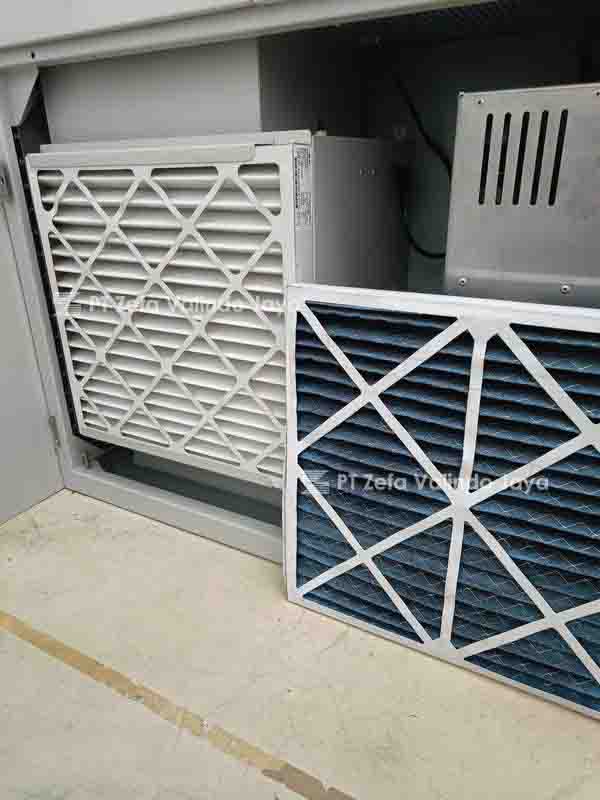
3. The filter is visibly dusty, deformed, torn, wet, or moldy
These conditions indicate that the filter may no longer be working optimally. An excessively dirty filter restricts airflow, while a torn, wet, or moldy filter may cause contamination or allow unfiltered air to leak into the clean side of the system.
4. The fan’s electricity consumption increases without a clear change in load
A dirty filter makes the fan work against greater airflow resistance. As a result, the motor may use more energy to maintain airflow. If the operating load has not changed but electricity consumption has increased, the filter should be checked.
5. The HEPA filter fails a leak test or integrity test
Leak or integrity testing checks that the HEPA filter and its installation system are free from leaks. If the filter fails, unfiltered air may pass through the filter media, gasket, frame, or installation gaps. The HEPA filter should be repaired or replaced before the system is used again.
Whether a HEPA filter can be repaired depends on the leakage limits allowed by the applicable filter standard and the classification of the installation area.
How Often Should a Pre-Filter Be Replaced?
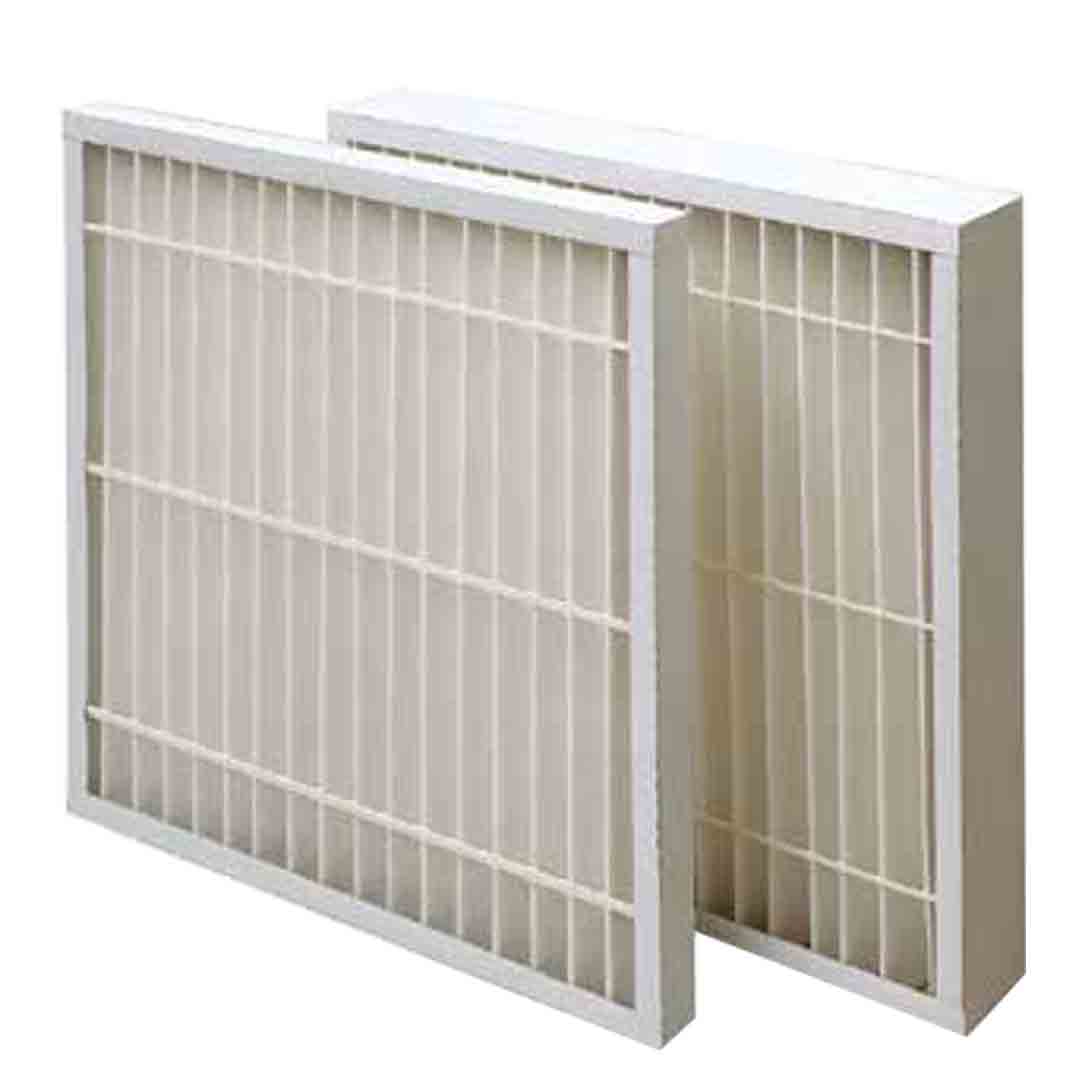
A pre-filter captures larger dust particles and protects the filters downstream. Because it is installed at the front of the system, it is usually the first filter to become dirty.
- Dusty areas or outdoor-air intakes: inspect monthly; replacement is typically needed every 1–3 months.
- Relatively clean areas: inspect every 3 months; replacement may be needed every 3–6 months.
- An excessively dirty pre-filter can shorten the service life of the medium and HEPA filters.
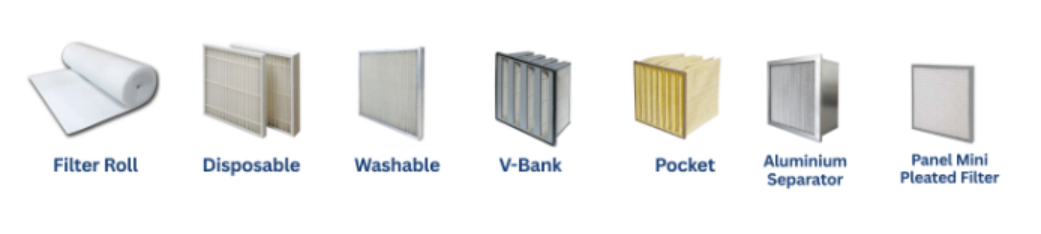
Pre-filters are available as disposable filters, roll filters, pocket filters, and washable filters.
How Often Should a Medium Filter Be Replaced?
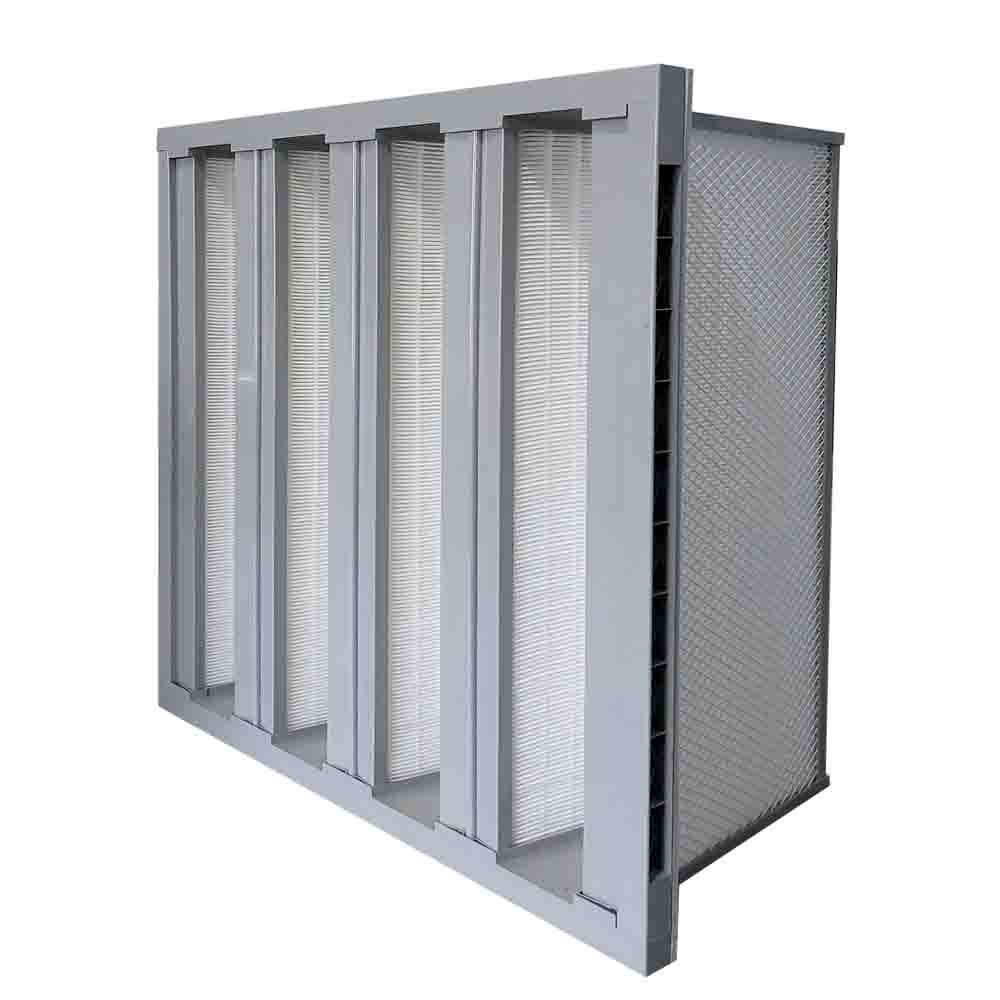
Medium filters are generally replaced every 6–9 months. Replace them sooner if the system operates 24 hours a day, the outdoor air is dirty, or the production process generates a significant amount of dust.
Use pressure drop as the primary indicator. Replace the filter when it reaches the final pressure drop specified in the datasheet, when airflow decreases, or when the filter media is damaged.
Medium filters are available as pocket filters, V-bank filters, and aluminum-separator filters.
How Often Should a HEPA Filter Be Replaced?
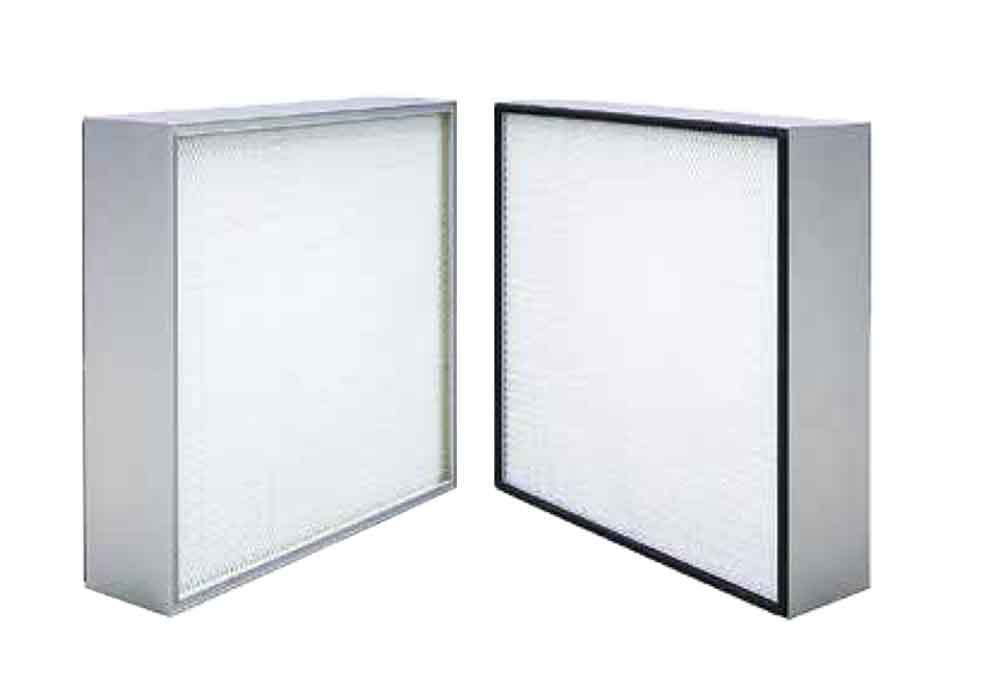
As a starting guideline, HEPA filters can last approximately 12–24 months. They may last longer when the pre-filters and medium filters are properly maintained.
A HEPA filter does not necessarily need to be replaced solely because it has been in service for two or three years, provided that:
- its pressure drop remains within safe limits;
- airflow and air change rate continue to meet the system design requirements;
- the filter, gasket, and frame are undamaged; and
- it passes the leak or integrity test.
Conversely, replace the HEPA filter promptly if it fails a leak test, reaches its final pressure drop, is damaged or exposed to water, or the room no longer meets the required cleanliness standard.
HEPA filters are available in pleated, V-bank, and aluminum-separator designs, with efficiencies ranging from HEPA H13 to H14.
Free Consultation and Site Survey (JABODEBEK)
Don’t wait until a filter is clogged or airflow has dropped before replacing it. Check pressure drop, filter condition, and system performance regularly to help maintain air quality and equipment efficiency.
Contact our team for a consultation or to purchase pre-filters, medium filters, or HEPA filters.