

Boiler Water pH Stabilization : Function, Impact, and How to Maintain
WHY BOILER pH STABILIZATION IS VERY IMPORTANT?
Boilers are essential equipment in various industries because they function to produce steam that is used for production processes, heating, or energy generation. In order for boilers to operate efficiently and safely, the water quality within the system must be properly maintained. One of the most important parameters in boiler water treatment is pH.
pH is a measure of the acidity or alkalinity level of water. This value greatly affects the chemical condition of boiler water and can determine whether the boiler system will operate stably or instead experience various problems such as corrosion and scale formation.
SAFE pH FOR BOILER WATER
pH is a scale that indicates the level of acidity or alkalinity of a solution, with a value range from 0 to 14. Water with a low pH is acidic, while a high pH indicates an alkaline or basic condition.
In boiler systems, water is usually maintained in a slightly alkaline condition. The safe standard pH for boiler water is in the range of pH 9.5 – 11.5. Meanwhile, feed water is generally maintained at a lower pH before entering the boiler, which is around pH 6 – 9.
Maintaining pH within the proper range helps maintain the chemical balance of the water so that boiler components can be protected from damage.
IMPACT IF BOILER WATER pH IS NOT CONTROLLED

When the pH of boiler water is outside the recommended range, various problems may arise and affect system performance.
1. Corrosion of Boiler Components
If the pH is too low (acidic), the water becomes more corrosive to metals. This condition can cause thinning of boiler pipes, tanks, and other metal components. In the long term, corrosion can lead to leakage or even equipment failure.
2. Scale Formation
Conversely, if the pH is too high, minerals such as calcium and magnesium may precipitate and form scale on heat transfer surfaces. This layer of scale inhibits heat transfer, causing the boiler to require more energy to produce steam.
3. Foaming Formation
Boiler water pH that is too high will cause the surface tension of the water to increase, resulting in the formation of bubbles in the boiler water.
4. Decreased Boiler Efficiency
Both scale and corrosion affect system efficiency. Heat transfer surfaces that are covered by deposits will make the heating process less optimal, leading to increased fuel consumption.
5. Decreased Steam Quality
Unstable pH can also trigger problems such as carryover, foaming, or steam contamination. As a result, the quality of steam decreases and may interfere with production processes.
BENEFITS OF MAINTAINING BOILER WATER pH
Maintaining stable pH in a boiler system provides several benefits for industrial operations, including:
1. Preventing Corrosion
Slightly alkaline water helps protect metal surfaces from corrosion and extends the service life of boiler components.
2. Reducing Scale Formation
Proper chemical balance of the water helps prevent mineral deposits that can interfere with heat transfer.
3. Improving Energy Efficiency
Boilers that are free from scale and corrosion can operate more efficiently, thereby reducing fuel consumption.
4. Extending Equipment Lifetime
Good water quality control helps maintain optimal boiler conditions and reduces maintenance or component replacement costs.
HOW TO CONTROL BOILER WATER pH
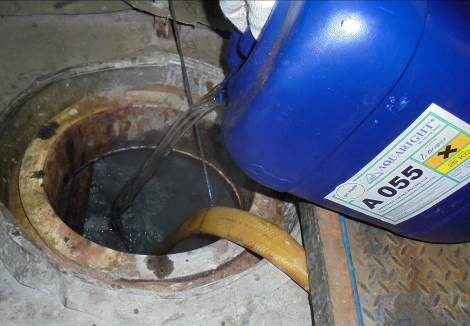
pH stabilization is usually carried out as part of a boiler water treatment program. Some commonly used methods include:
1. Regular Water Quality Monitoring
Routine pH testing is very important to ensure that water conditions remain within safe limits.
2. Feed Water Treatment
Processes such as softening, demineralization, or deaeration also help maintain the chemical stability of water before it enters the boiler.
3. Addition of pH Adjuster Chemicals
Chemical additives in the form of pH adjusters can be used to increase or decrease pH as required. Examples include alkalinity builders or neutralizing chemicals such as AQUARIGHT A055.
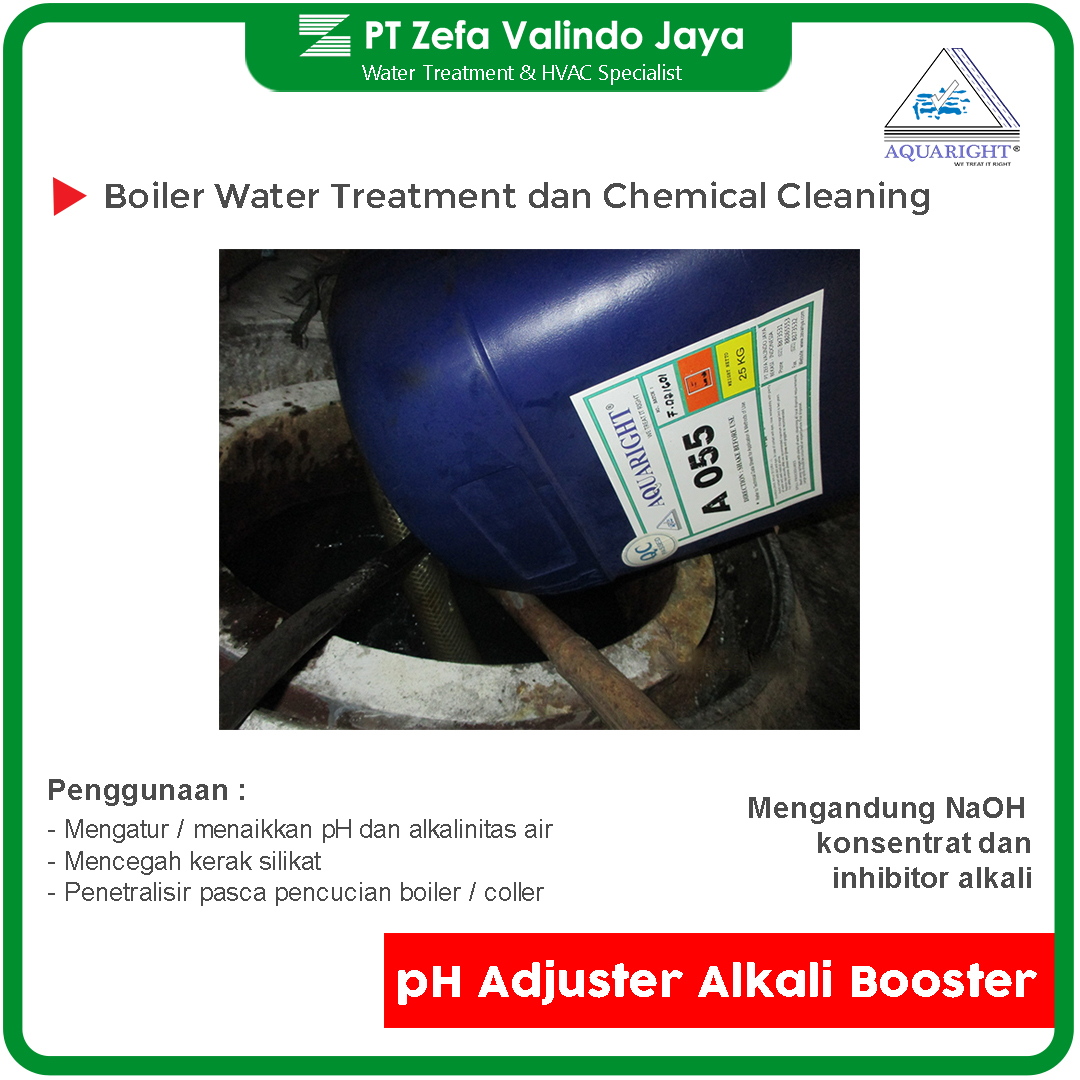
Aquaright A055 is a chemical formulated as a pH Adjuster (pH booster or pH reducer) used to regulate or increase pH, as well as prevent silicate scale and act as a neutralizer after boiler or cooler cleaning in cooling water systems. Aquaright A055 is HALAL certified.
1. Aquaright A055 Specifications
Appearance : Clear
pH as supplied : 10.0 – 12.0
Specific gravity : 1.20 – 1.35
2. Functions of Aquaright A055
AQUARIGHT A055 is used to provide alkalinity to boiler water or to correct pH in water with low alkalinity. It is also used in cleaning cooling water systems and during boiler cleaning in the neutralization stage after scale and rust removal.
3. Advantages of Aquaright A055
Reducing corrosion
Stabilizing protective layers
Simple monitoring procedures
Providing alkalinity control
4. Aquaright A055 Dosage
AQUARIGHT A055 is used to maintain boiler water alkalinity within limits appropriate to operating conditions. Water characteristics will determine the required dosage level.
5. Purchasing Aquaright A055
Aquaright A055 is available in 25 kg/pail packaging and can be ordered directly by contacting us at 021 8873 or via email at info@zevanya.com. For retail purchases starting from 1 kg, the product can also be purchased through e-commerce platforms such as Shopee.


