

No products
Prices are tax excluded
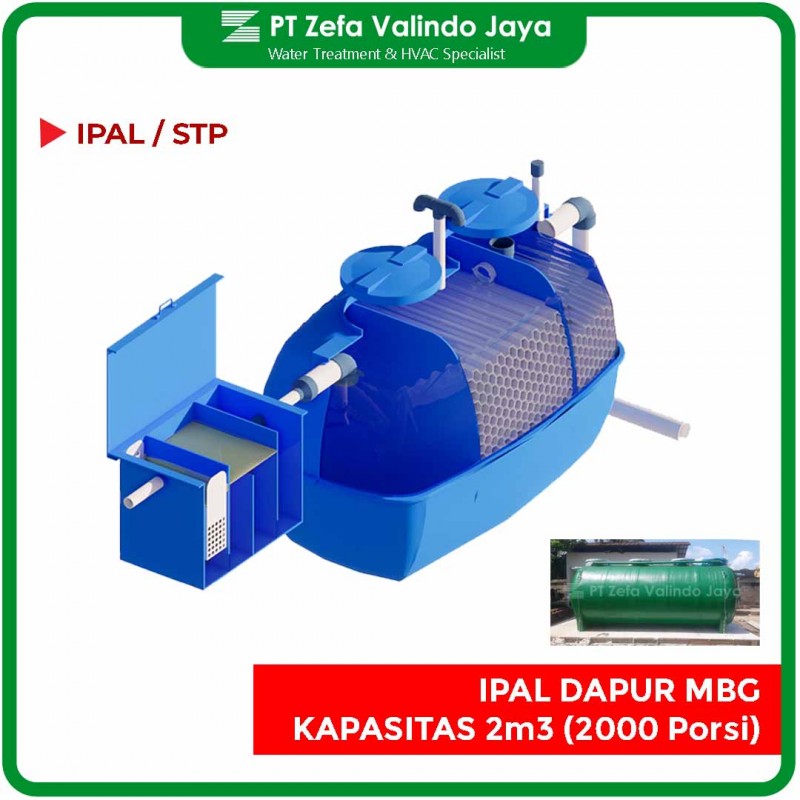


MBG Kitchen WWTP (Makan Bergizi Gratis) - 2000 Meals (2m3)
MBG001
More info
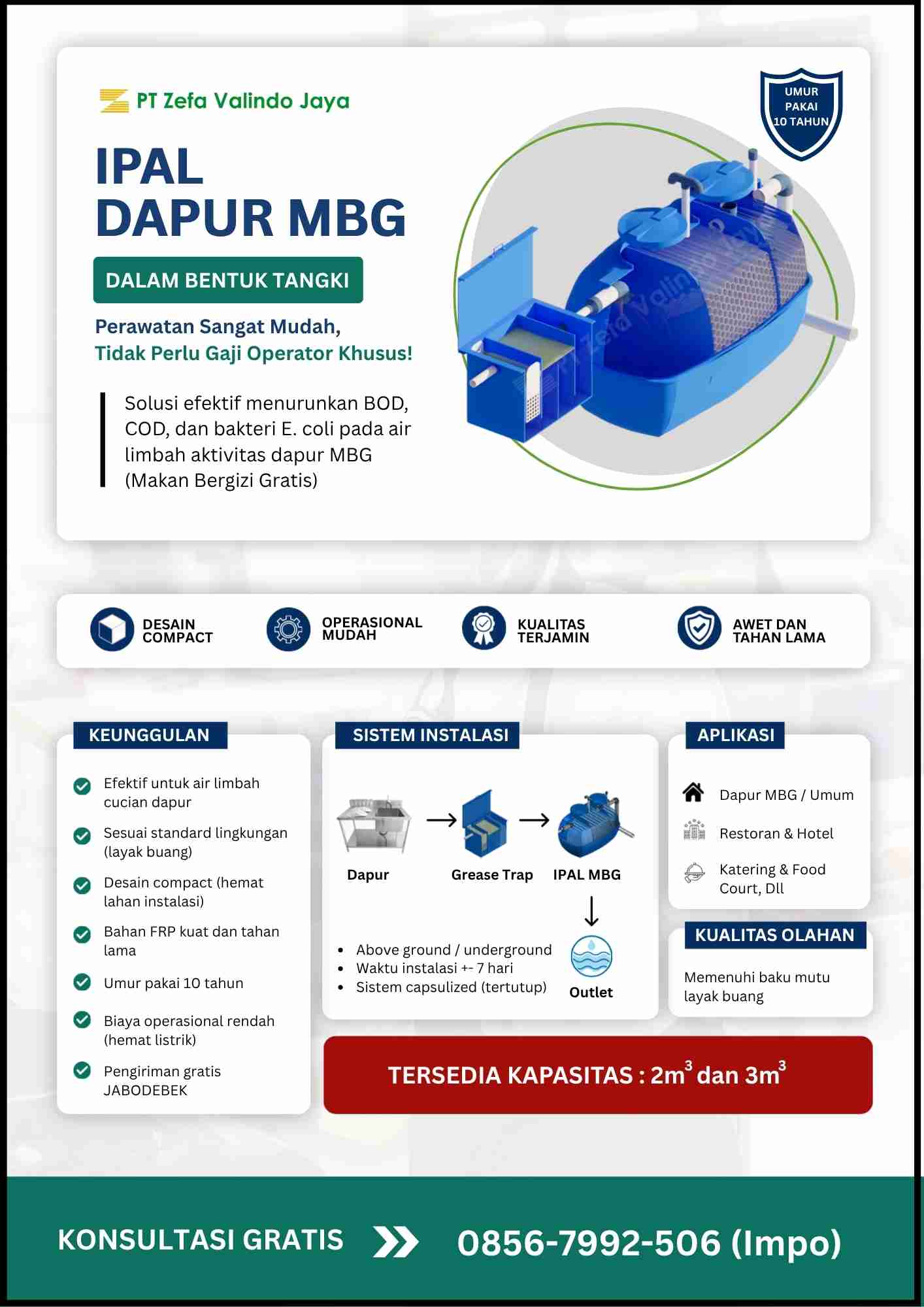
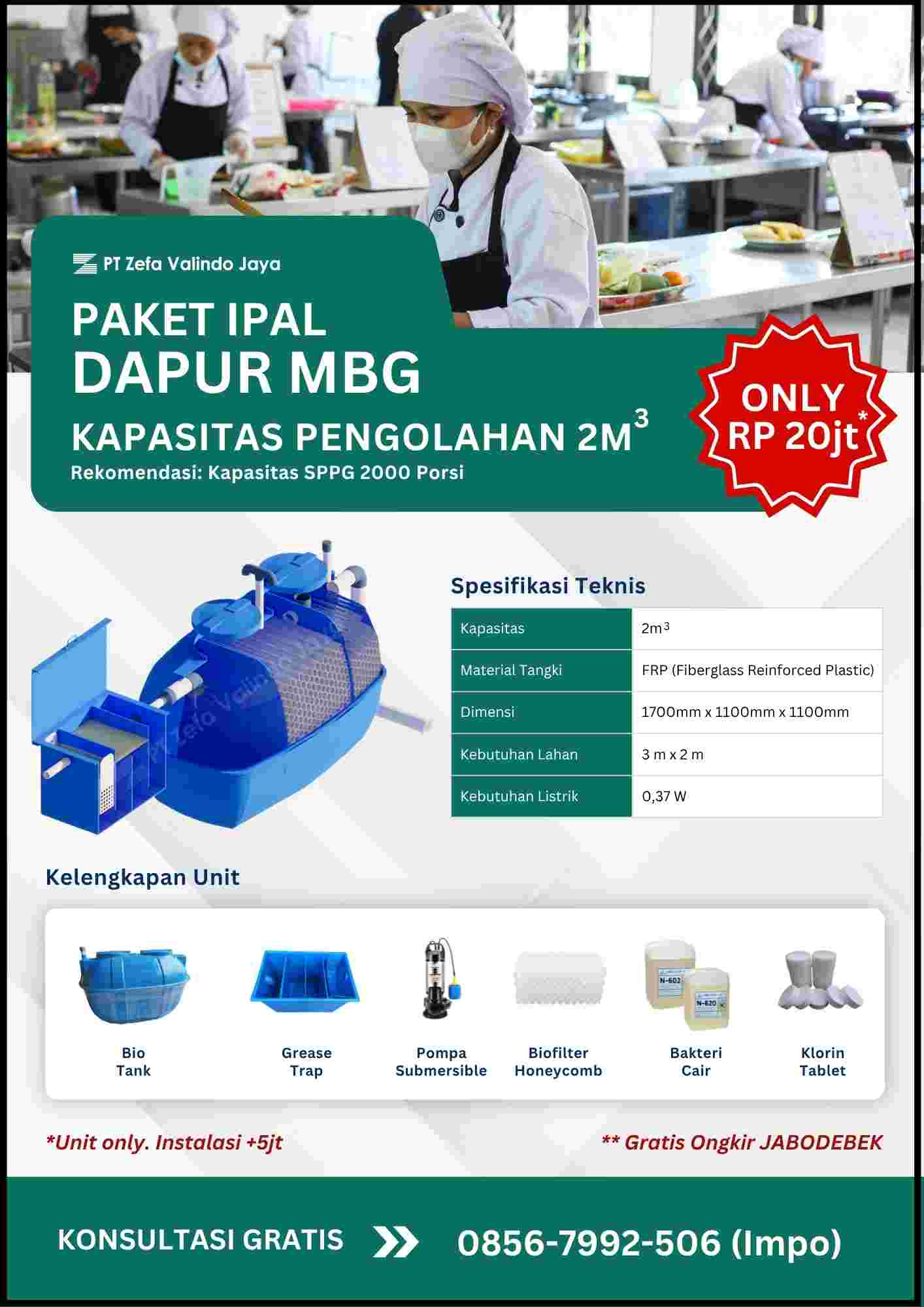
MBG Kitchen WWTP Unit Components
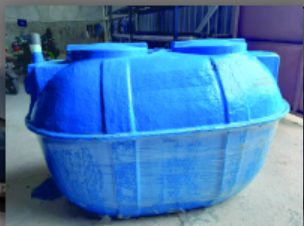
1. Bio Tank (Treatment Tank)
The Bio Tank is the main treatment unit where the wastewater treatment process takes place. Inside the tank, biofilter media provide a suitable environment for beneficial bacteria to grow and break down organic pollutants, producing cleaner and clearer treated water.
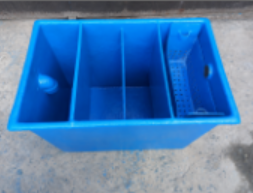
2. Grease Trap
A grease trap is installed before the treatment tank to separate grease, oil, fats, and food residues from the kitchen wastewater. This prevents excessive grease from entering the WWTP and helps maintain stable treatment performance.
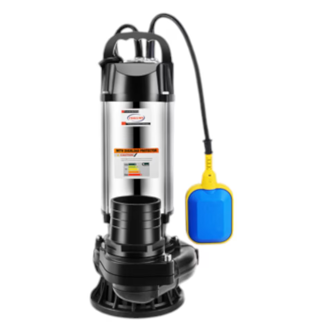
3. Submersible Pump
A waterproof submersible pump is used to automatically transfer wastewater from one treatment chamber to the next, ensuring continuous and efficient system operation.
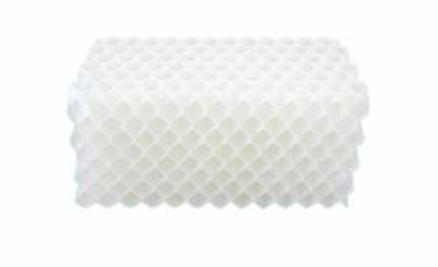
4. Honeycomb Biofilter Media (Bacteria Carrier)
The honeycomb-shaped biofilter media provide a large surface area for beneficial bacteria to attach and grow. These microorganisms naturally decompose organic contaminants, improving the efficiency of the biological treatment process.
.jpg)
5. Concentrated Bacteria & Nutrients
A specially formulated bacterial culture and nutrient solution are added to accelerate the growth of beneficial microorganisms. These bacteria play an important role in breaking down organic pollutants contained in the kitchen wastewater.
6. Chlorine Tablets (Disinfection)
As the final treatment stage, chlorine tablets are used to disinfect the treated water by reducing harmful microorganisms, including Escherichia coli (E. coli), making the effluent safer before being discharged into the environment.
Types of MBG Kitchen Wastewater That Can Be Treated
Our MBG Kitchen WWTP is designed to treat various types of kitchen wastewater, including:
-
Food and vegetable washing wastewater, containing soil, pesticide residues, and vegetable scraps that make the water turbid.
-
Cookware washing wastewater, containing oil, grease, burnt food residues, and detergent, which can cause unpleasant odors and harm aquatic ecosystems if discharged untreated.
-
Food tray (meal container) washing wastewater, which is typically generated in large volumes and contains oil, grease, leftover rice and food, as well as dishwashing detergent residues.
Simple MBG WWTP Treatment Process
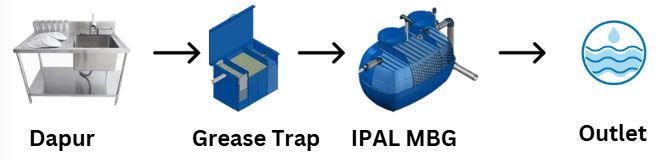
1. Kitchen Wastewater Flows into the Grease Trap
Wastewater from food preparation, cooking, and dishwashing first enters the grease trap. This unit separates food scraps, oil, and grease before the wastewater enters the main treatment system.
2. Wastewater Flows into the Treatment Tank
After passing through the grease trap, the wastewater is directed into the WWTP treatment tank for further processing.
3. Beneficial Bacteria Clean the Wastewater
Inside the treatment tank, beneficial bacteria naturally break down organic waste and pollutants in the wastewater. This biological process helps produce cleaner water while significantly reducing pollutant levels.
4. Treated Water is Disinfected
Before being discharged, the treated water undergoes a final disinfection process using chlorine. This step helps eliminate any remaining harmful bacteria and viruses, ensuring the treated water is safer and complies with applicable environmental discharge standards.