Boiler Problems, Impacts, Solutions, and Chemicals Used
Boilers are essential equipment in various industries, including food and beverage, textile, chemical, power generation, and manufacturing. Boilers produce steam, which is used as a source of heat energy in the production process.
However, during operation, boilers often experience various problems caused by uncontrolled water quality or suboptimal water treatment. If not properly addressed, these problems can reduce boiler efficiency, increase energy consumption, and even cause serious system damage.
Here are some of the most common boiler problems and their solutions.
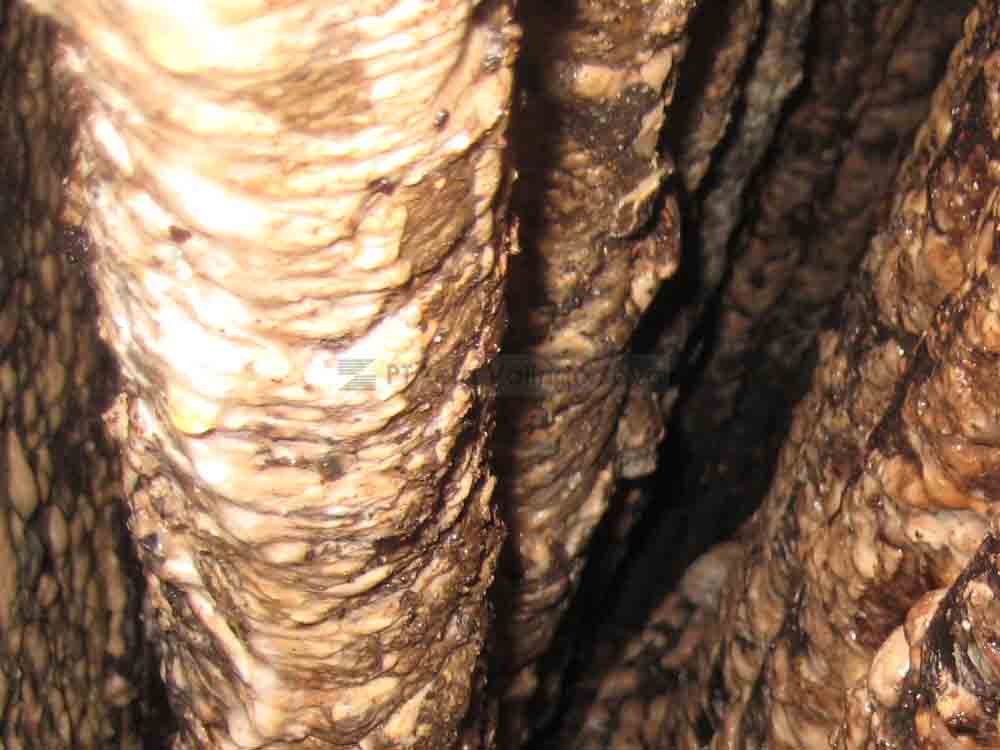
Cause: Scaling occurs due to the formation of mineral deposits such as calcium, magnesium, or silica in boiler feedwater. When the water is heated, these minerals precipitate and adhere to metal surfaces inside the boiler.
Impact: Inhibits heat transfer, increases fuel consumption, causes overheating of boiler pipes, potential damage to boiler tubes, and even a very thin layer of scale can significantly reduce heat transfer efficiency.
Solution: Use a softener or demineralization system, maintain hardness and TDS parameters, use anti-scale chemicals or dispersants, and perform regular blowdowns.
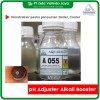
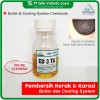
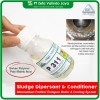
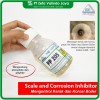
Chemical: Aquaright P311, Aquaright PP205
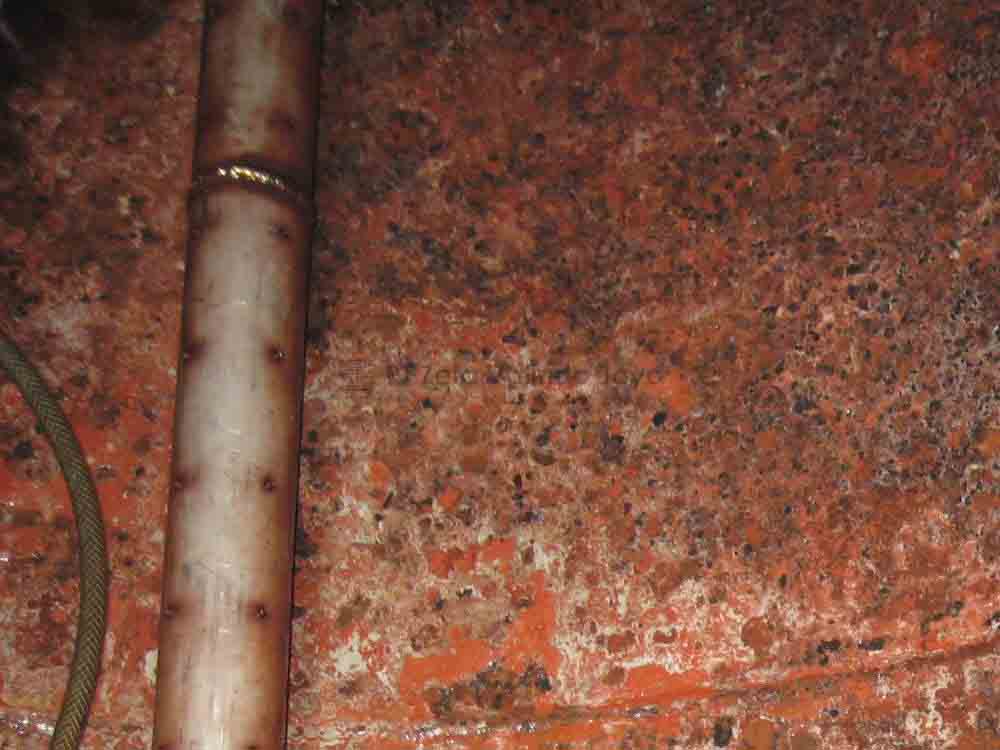
Cause: Corrosion occurs due to the presence of dissolved gases such as oxygen and carbon dioxide in boiler water. These gases can react with metal and cause damage to boiler materials.
Impact: Pitting, pipe leaks, reduced equipment lifespan, risk of boiler system failure. Corrosion typically occurs in high-temperature areas such as boiler pipes and heat exchangers.
Solution: Use a deaerator to remove oxygen, add oxygen scavengers, control pH and alkalinity, and regularly monitor water quality.

Cause: Carryover occurs when boiler water is carried along with steam to the downstream system. This is usually caused by foaming, high solids concentrations, or unstable operating conditions.
Impact: Reduces steam quality, contaminates the production process, damages the turbine or heat exchanger, and increases maintenance costs.
Solution: Controlling boiler water TDS and alkalinity, using chemical antifoams, optimizing blowdown, and maintaining stable boiler water levels.
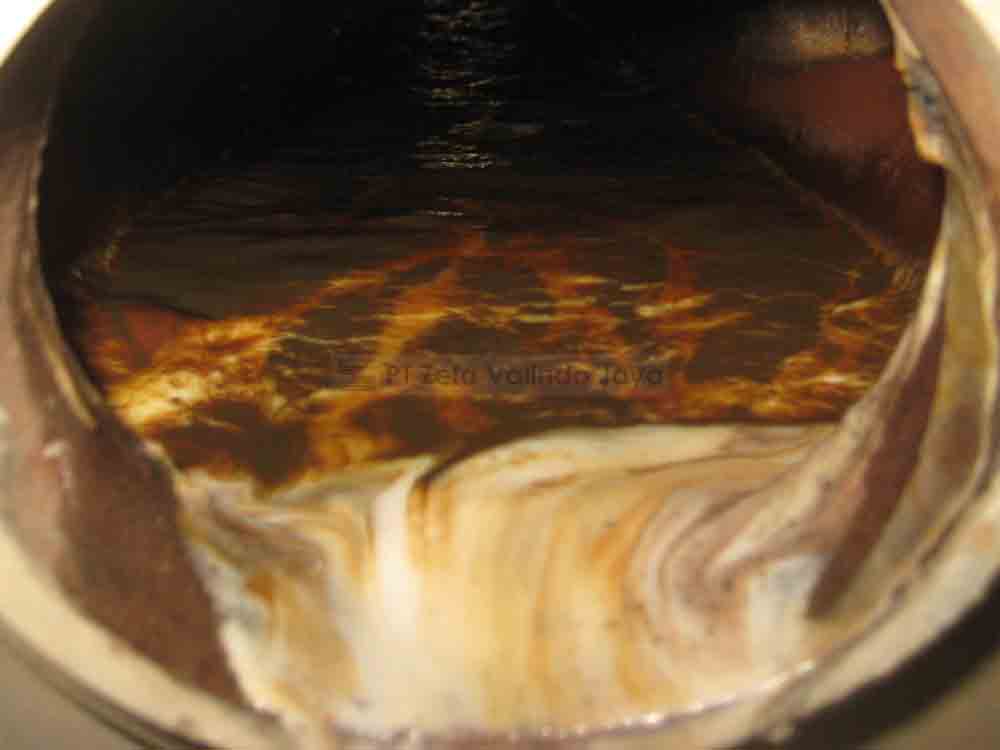
Cause: Sludge forms from solid particles that settle inside the boiler due to uncontrolled water quality.
Impact: Impedes water circulation, reduces heat transfer efficiency, and causes under-deposit corrosion.
Solution: Using chemical dispersants, regular blowdown, improved feedwater treatment, and the importance of water treatment in boiler systems.
Proper water treatment is crucial for maintaining optimal boiler performance. Boiler systems that lack proper water treatment are at risk of problems such as scaling, corrosion, sludge formation, and even costly equipment damage.
With the right boiler water treatment program, companies can achieve benefits such as:
- Higher energy efficiency
- Longer equipment lifespan
- Reduced production downtime
- Savings on maintenance costs
Boiler problems, industrial boiler issues, boiler water treatment, causes of boiler scaling, boiler cleaning services, boiler contracts, boiler treatment.