What is Boiler Scale: Causes, Impacts, and How to Overcome It
Boiler scale is one of the most common problems in boiler systems across various industries. Scale forms from mineral deposits that adhere to metal surfaces within the boiler, particularly in heat transfer areas such as pipes and heat exchangers.
If not properly managed, boiler scale can reduce system efficiency, increase energy consumption, and cause damage to boiler equipment.
Therefore, understanding the causes, impacts, and management of boiler scale is crucial in any boiler water treatment program.
Boiler scale is a layer of solid deposits formed by mineral precipitation from water when heated in a boiler. These deposits typically originate from the mineral content of the raw water or boiler feed water.
The minerals that most often cause scale formation include:
- Calcium carbonate (CaCO3)
- Magnesium hydroxide (Mg(OH)2)
- Calcium sulfate (CaSO4)
- Silica (SiO2)
When water is heated at high temperatures in a boiler, the solubility of these minerals decreases, forming solid crystals that adhere to the metal surface.
This layer of deposits will thicken over time and form a hard scale that is difficult to remove if not properly treated.
Some of the main factors that cause scale formation in boiler systems include the following.
1. High Hardness Content
Water containing high levels of calcium and magnesium is known as hard water. When hard water is heated in a boiler, hardness minerals precipitate and form scale.
If pretreatment systems such as softeners or demineralization systems are not working optimally, the risk of scale formation increases.
2. Mineral Concentration in the Boiler
During the evaporation process, water turns into steam while minerals remain in the boiler. This causes the mineral concentration to increase.
If not controlled through a blowdown process, minerals can reach saturation point and begin to precipitate.
3. Unstable Boiler Water pH
Boiler water pH also affects scale formation. Excessively high pH can accelerate the precipitation of certain minerals, such as calcium carbonate.
Therefore, pH stabilization is an important part of boiler water treatment.
4. High Operating Temperature
High temperatures in the boiler can reduce the solubility of some minerals, making it easier for them to form solid deposits.
The higher the boiler operating temperature, the greater the potential for scale formation.
Scale that forms on boiler surfaces can cause various serious operational problems if not addressed promptly.
1. Reduced Heat Transfer Efficiency
Scale has a much lower thermal conductivity than metal. A layer of scale adhering to boiler pipes inhibits the transfer of heat from combustion to water. As a result, the boiler requires more energy to produce the same amount of steam.
2. Increased Fuel Consumption
Because the heat transfer process is suboptimal, the boiler system must work harder to reach the desired operating temperature. This leads to increased fuel consumption and higher operational costs.
3. Overheating of Boiler Pipes
Scale adhering to the pipe surface can trap heat within the metal. This can lead to overheating, which can potentially damage the pipe material. In extreme cases, overheating can cause deformation or even failure of the boiler pipes.
4. Causes Equipment Damage
A thick layer of scale can disrupt water circulation in the boiler system. This can lead to excessive pressure and increase the risk of component damage.
To manage and prevent scale formation, a proper boiler water treatment program is required.
1. Feedwater Pretreatment
The first step in preventing scale formation is to ensure that the feedwater has undergone a proper treatment process, such as:
- Water softener
- Demineralization system
- Reverse osmosis
This process aims to reduce the mineral content that can potentially form scale.
2. Boiler Water Parameter Control
Parameters such as boiler water pH, alkalinity, hardness, and total dissolved solids (TDS) must be monitored regularly. Proper monitoring helps prevent conditions that can trigger deposit formation.
3. Use of Chemical Boiler Treatment
Use boiler scale-preventing chemicals to control scale formation in the boiler, including:
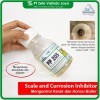
- Scale inhibitor
- Dispersant
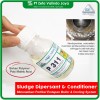
- Sludge conditioner
These chemicals work by keeping minerals suspended so they don't stick to metal surfaces.
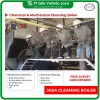
If scale has formed and is firmly attached to the boiler surface, a cleaning chemical boiler process is necessary. This method uses a special chemical solution to dissolve mineral deposits without damaging the boiler material.
Chemical descalers usually contain strong acids or chelating agents capable of dissolving hard scales such as calcium carbonate and silicate.
Proper boiler water treatment is crucial for maintaining optimal boiler system operation. With proper water treatment, companies can achieve various benefits, such as:
- Preventing scale formation and corrosion
- Maintaining heat transfer efficiency
- Reducing fuel consumption
- Extending the life of boiler equipment
- Reducing maintenance costs and downtime
Therefore, boiler water quality control should be part of the boiler system maintenance strategy in every industry.
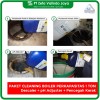
In addition to providing chemicals for boilers, we also provide boiler cleaning services, or boiler treatment contracts for areas throughout Indonesia.